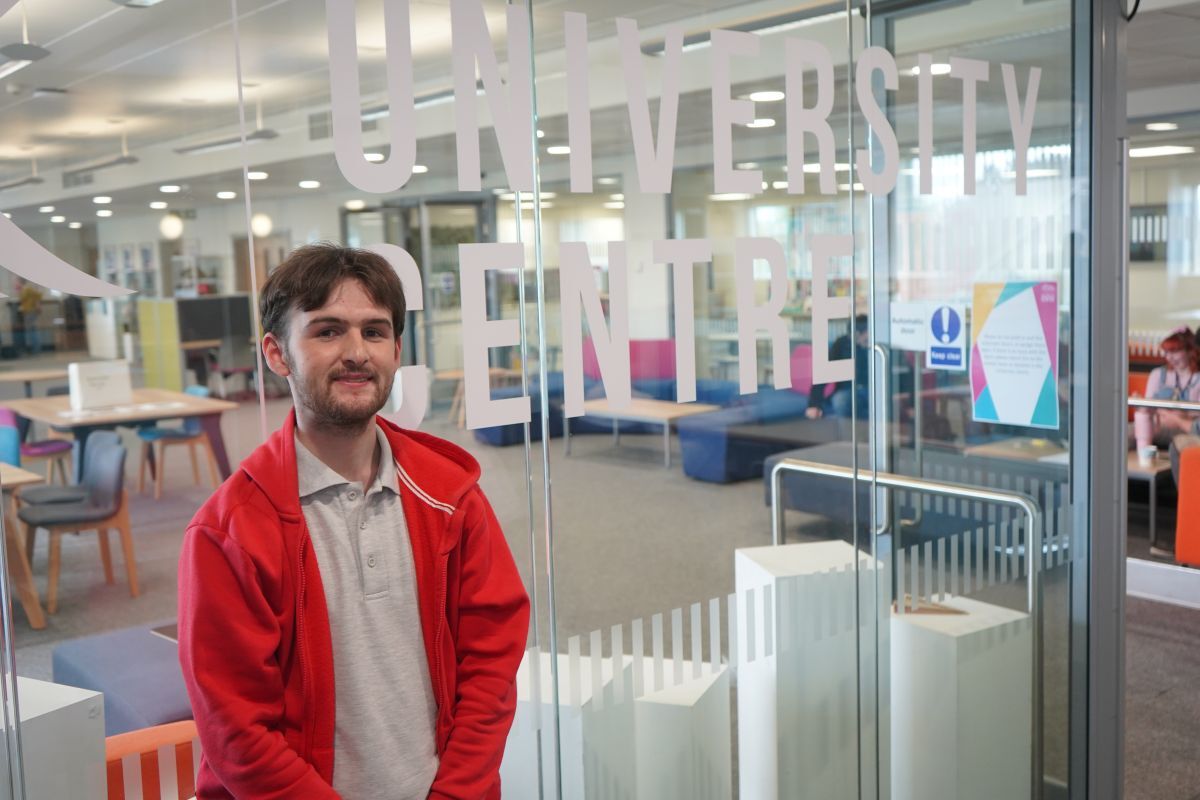
Isaac fulfils Oxbridge ambitions on York College Access course after opting for wrong A Levels at school
York College has propelled Isaac Lees back on a pathway to Cambridge after ill-advised A Level choices at his school’s sixth form threw him off route.
Having been a high achiever as a GCSE student, Isaac opted for subjects he gained the highest grades in, rather than those he enjoyed the most, was best suited to and more knowledgeable in.
With his best marks coming in Science, Isaac then found it more difficult to excel academically from 16 to 18, culminating in A Level results that fell short of Oxbridge standards.
Not willing to accept that was the end of the road, though, he took a gap year before becoming old enough to enrol on our Access to Higher Education Diploma in Humanities last September.
And it is a decision that has paid off as, having gained a Distinction in every unit of the one-year full-time course, he has now secured a place to study History and Politics at the University of Cambridge’s Hughes Hall – a mature students’ college for people aged 21 and older.
Reflecting on his inspiring journey, defined by a determination to succeed, Isaac said: “I first had aspirations of Cambridge when I was 15 and things seemed to be going quite well initially because I did very well at my GCSEs but, when it came to my choice of A Levels, I was incredibly risk aversive. I'd done better at Science for my GCSEs, but not by a lot.
“I got all 9s and 8s, but my 9s were in Science and my 8s were in Humanities, so I thought, ‘I'd better go and do Science’. I hated doing Science at A Level, though, and don't really know how I hacked it for the full two years.
“That meant my final results didn’t go that well. I got BCC which wasn’t good enough for Cambridge and felt like I’d let myself down.
“I could have probably looked at doing History and Politics at another university, but I didn't really feel confident about that either because I did an EPQ (Extended Project Qualification) as well and only got a C in that. I hadn’t done any essay writing in my A Levels either, so I took a gap year because you have to be 19 to do an Access course and I did some work and travelled in France and Mexico.
“The way the education system is, you feel you have to achieve in that 16-to-18 period, but I found out what my passions were too late in the day. I probably needed more guidance because I didn't even choose History GCSE and now I’m going to be studying it at Cambridge!
“I felt, with my GCSEs, I wasn’t really doing them for the love of learning. It was more an elaborate IQ test, where you crammed knowledge into your brain and were judged on your exam technique.
“I did very well at that, but I felt there wasn’t much actual exploration to find out what I was really interested in and I made miscalculations when it came to my A Level choices. It’s great getting high grades in subjects, but you need to know where you’re going to go with them and, if you get one grade below, that doesn't mean you shouldn't go down that route.”
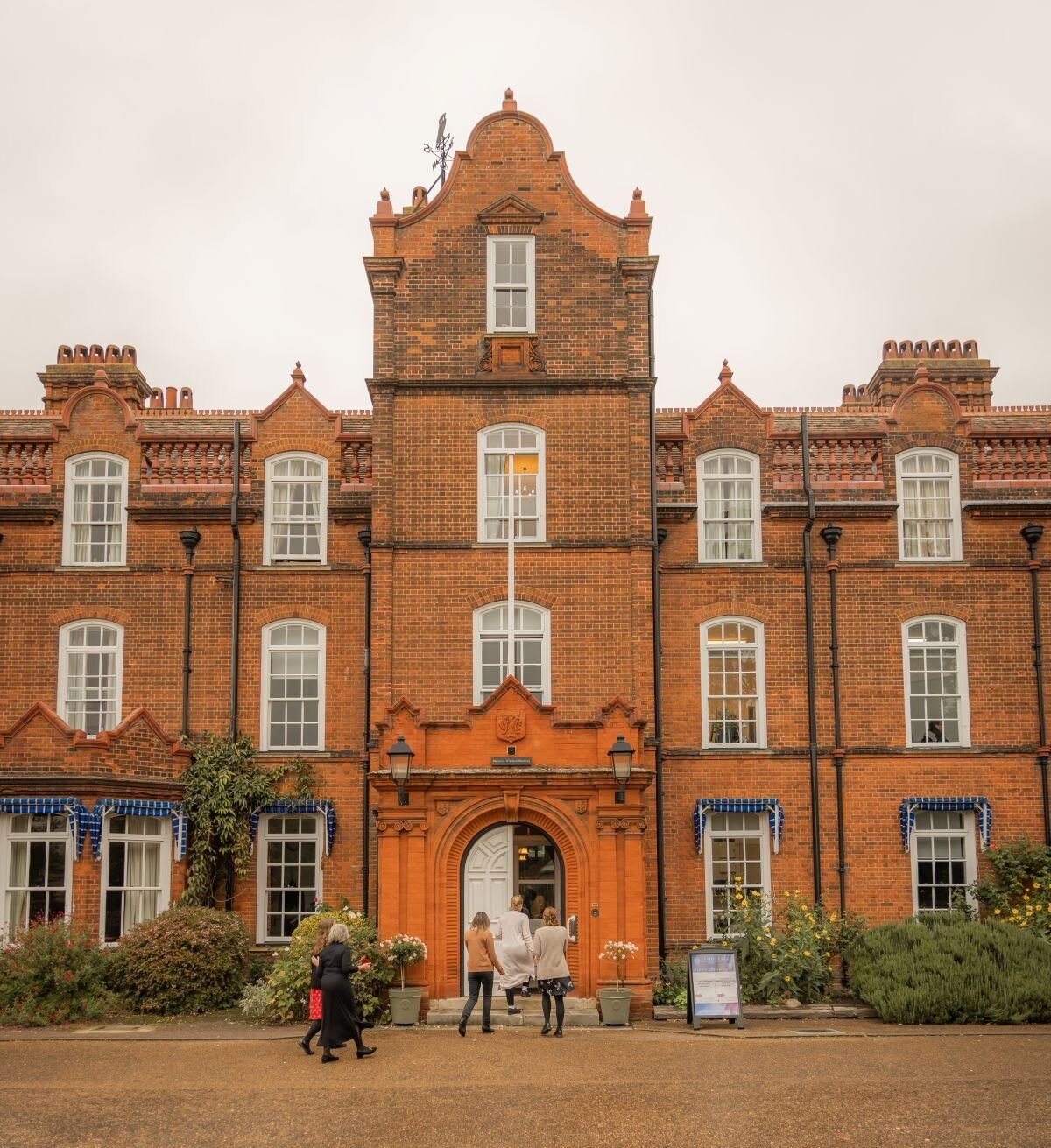
Despite going to school and living in Sheffield, when he was considering his Access Course options, Isaac then decided York College was the right destination to get back on track for Cambridge, citing tutor Alison Willis’ reputation for helping students gain offers from the world-renowned institution as one of the deciding factors.
“Alison said early on in the course that she has a history of being able to get Access students into Cambridge,” Isaac recalled. “Coming from Sheffield, I was investigating different colleges and really wanted one which had more of an academic vibe.
“I actually started the first day at a different college, but came away thinking, ‘No’ and that York just felt right. I’d been to an Open Event and spoke to a few of the tutors, including Alison and Clive (Broadley), who became my Law tutor, and got a really good feel for the place.”
Students on a York College Access course in Humanities choose to study two of three main subjects (English Literature, History or Law) for five hours a week each, as well as one smaller unit from either Politics: Theory & Concepts or Analysing Short Stories for one hour a week.
Isaac, who turns 21 in September, chose History, Law and Politics: Theory and Concepts with assessment taking the form of essays, written reports, time-constrained assignments, seminars and presentations at the end of each unit.
Grades are then awarded as Distinction, Merit or Pass, with Isaac arguing that this approach provided him with better preparation for university study than his A Levels had.
“I think a lot of people won't realise that you can do an Access course and get to Cambridge, but you learn very different skills,” he pointed out. “You might not have been very good at A Levels and that manner of learning but can still do very well on an Access course.
“A Levels are probably more regimented in terms of needing to be a right answer to questions. There are stricter confines whereas, with the Access course, you have more space for perception, innovation and a holistic way of thinking.
“I feel we were given more autonomy, rather than trying to fulfil a stringent mark scheme and it’s very good that Cambridge recognises the course’s value, because Access courses are really important. Giving people a second chance isn’t just in the individual’s interest, but also for society, because people underperforming is bad for the country as whole.
“I think the education system needs to acknowledge that people don't always have linear lives, which the Access course does. If you’re 19 or older and want to get to university, it’s a great opportunity to do that in one year, but the two-year part-time option is a good one as well.”
Isaac also found inspiration in the quality of tuition he received at Sim Balk Lane and the modules he was taught.
“I’m very, very grateful for the standard of teaching I’ve had,” he declared. “I really enjoyed the first History module we did, which focussed on communism and fascism. That was almost more Politics, which I’m obviously doing for my degree as well.
“I enjoyed focussing on ideology and it was great being able to kind of unpick what was going on. I also really enjoyed learning more about the Slave Trade and South Africa. It’s been great learning about History from below rather than from above and just focussing on leaders, too.”
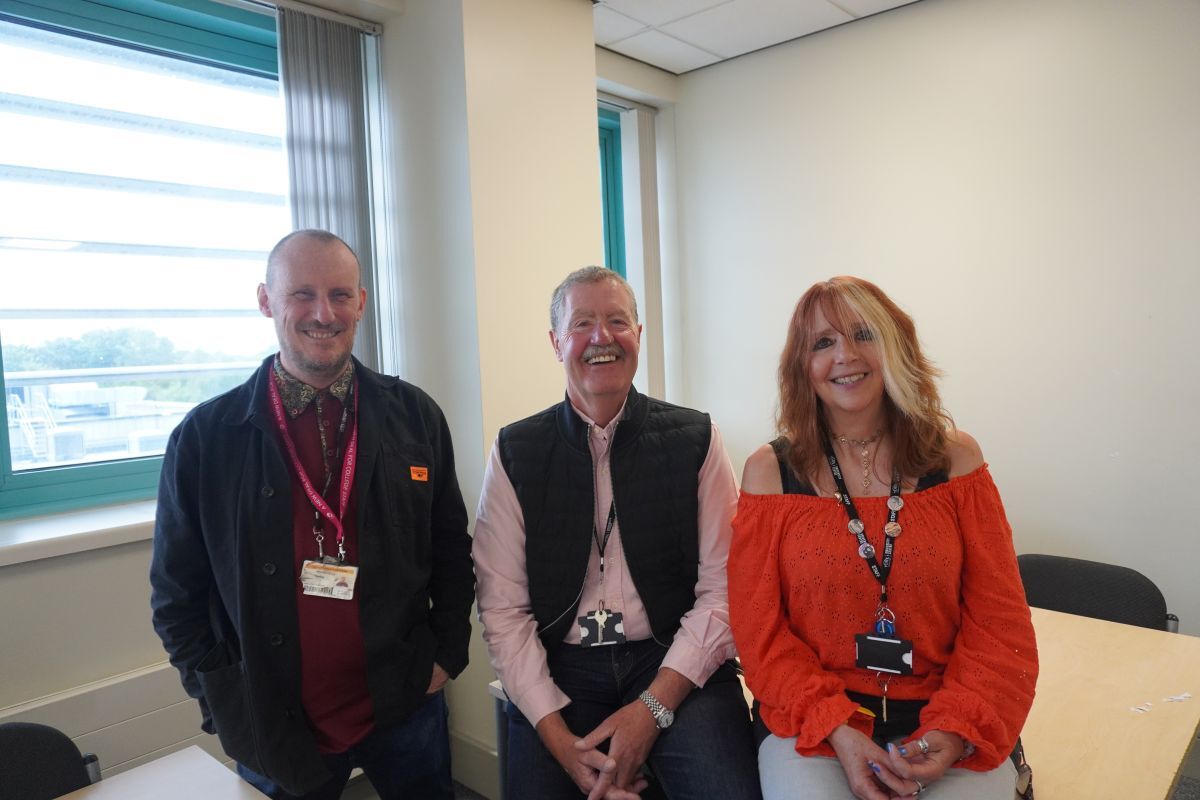
Isaac added that he felt fully supported and guided throughout his Cambridge application.
On top of the UCAS form all university applicants must complete, anybody including Cambridge as one of their choices must provide a second personal statement.
Isaac was also required to submit two pieces of written work, opting for essays on communism and fascism and the slave trade that he had completed on the course.
He was then invited to complete an assessment and participate in an interview.
For the assessment, he had to write two essays in two hours, from a list of questions that were emailed to him.
The interview lasted an hour and was conducted by two Politics lecturers on Microsoft Teams, where he was asked about his personal statement, his reasons for wanting to study History and Politics and “some quite strange questions”, too.
Those included one seeking his opinion on what society 1,000 years from now could deduce about our society if they found a fully functioning mobile phone from 2026.
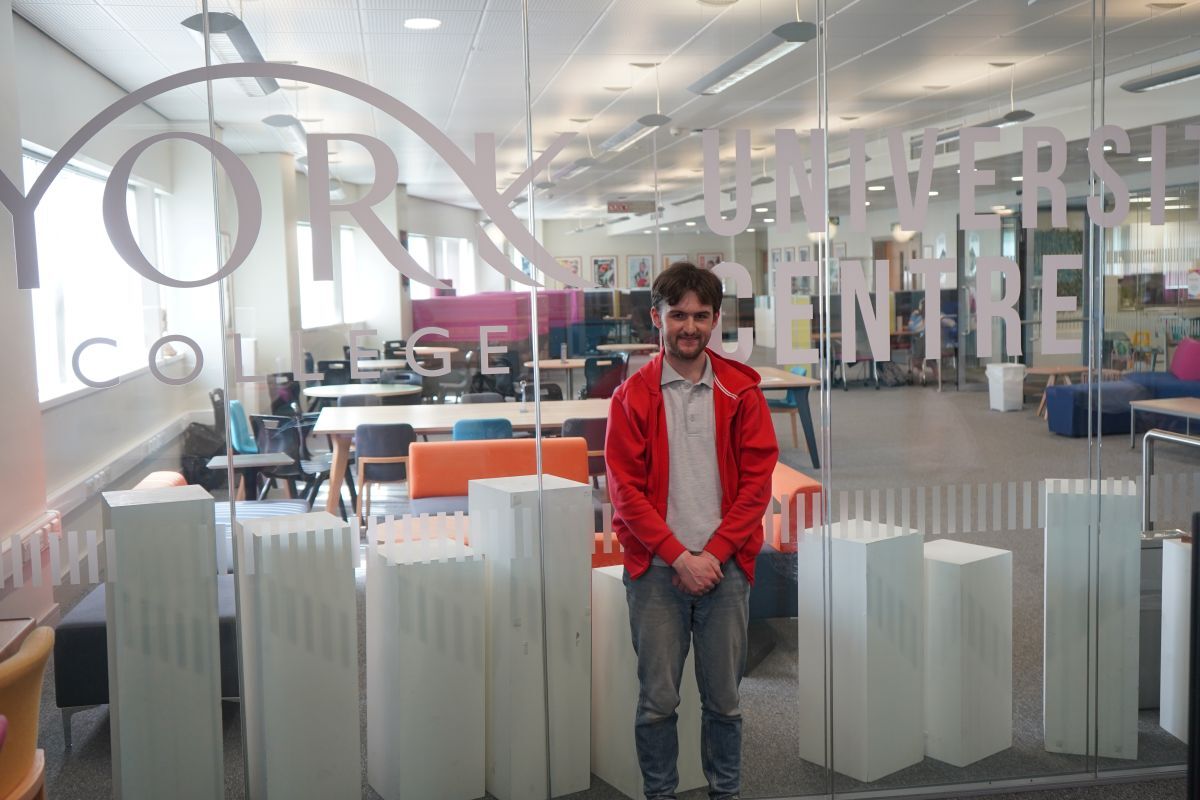
Commenting on the whole application process, Isaac said: “Alison advised us that our personal statement for Cambridge ought to have a much more vigorous focus on the academic texts we've read and outline what our individual manner of academic thinking is. For the written assessment, fortuitously, there were two questions which really stood out for me in terms of having a clear idea of what I'd say for them and it was honestly probably the most proactive two hours of my life, so I'm glad I seized the moment.
“I made a very brief plan and a few bullet points and, then started writing. I think this point is where you really need to know quite a lot about your subject because, if you don't, then you would fall away because you don't have time to think about it excessively.
“Going into it, you really ought to have a sort of predetermined set of ideas and thoughts and then find questions where you can lay out things you've roughly already thought about. The interview was quite relaxed, but they do challenge you.
“They pushed back on some of my theories and, afterwards, I felt they might have been doing that to see if I’d abandon my position. The only advice I’d probably give is to stay within the confines of the scenario, which I’d been told by a friend of my dad’s, who was a lecturer at Oxford.
“He said to work with what they give you and don’t go off on tangents, talking about broader themes.”
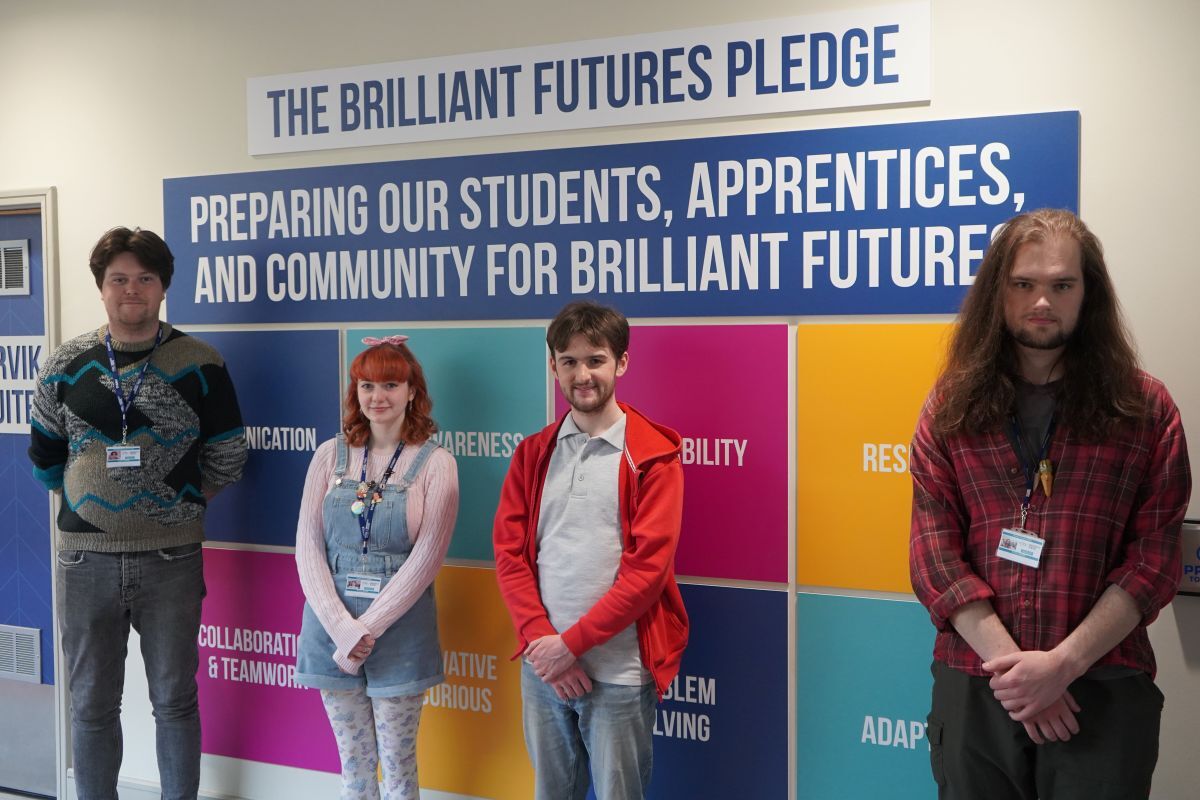
Isaac was subsequently informed by email that his application had been successful, meaning he’ll start studying at Cambridge in September along with three more of his Humanities Access course classmates – Maurice Cooper, Kierran Horsfield and Poppy Jeavons.
On that prospect, he enthused: “It feels really good. Going away is quite daunting, but it’s good to know those guys will be there, too.
“I haven’t got myself well-versed with Cambridge’s funny little idioms yet. I think the first term is called something beginning with M (Michaelmas), so I need to look into that.
“We’ll be rubbing shoulders with students from private schools, but I think it’s good that people with our different life experiences can get there, too. I feel you need diversity in these institutions.”
On his post-degree plans, Isaac declared: “I’d like to keep progressing in education but, aside from that, career wise, something journalistic would be good or, potentially, something to do with politics – maybe as a private secretary, so you can have a political influence, but be more in the background without being a public official.”
To learn more about our Access to Higher Education Diploma in Humanities, please click here
Want to discuss any of our degree, higher-level, vocational, T Level, A Level & Mix and adult courses or apprenticeships with our expert team of tutors and check out our state-of-the-art facilities? Then, please come along to our next Open Event. An overview of what to expect and upcoming dates is included here