
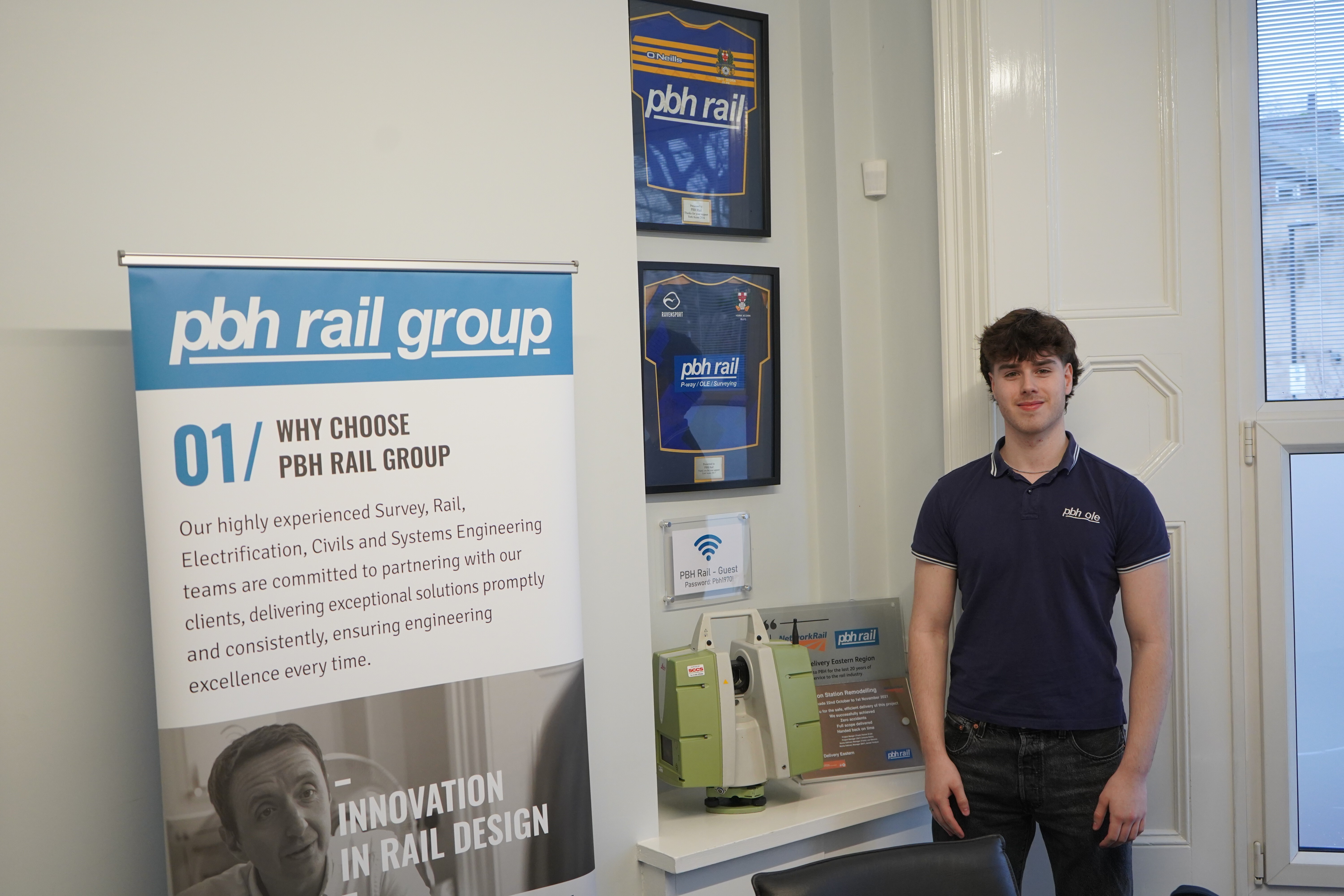
PBH Rail T Level replacement puts Stan on track for degree apprenticeship
Stan Taylor believes his decision to study a T Level at York College helped him jump right to the front of the long queue of hopefuls looking to secure a degree apprenticeship in engineering.
Degree apprenticeships are currently one of the UK’s most sought-after qualifications, with the attraction of studying at university, while getting paid by an employer, who also covers your tuition fees!
Following their introduction in 2020, T Levels have proven a strong option for any student aspiring to secure that opportunity of gaining a Level 6 qualification, while continuing to develop professionally in a workplace environment.
With their 315 placement hours requirement, the technical-based course provide learners with an excellent opportunity to showcase their employability potential and capacity for Higher Education progression and to further develop skills that can benefit the business.
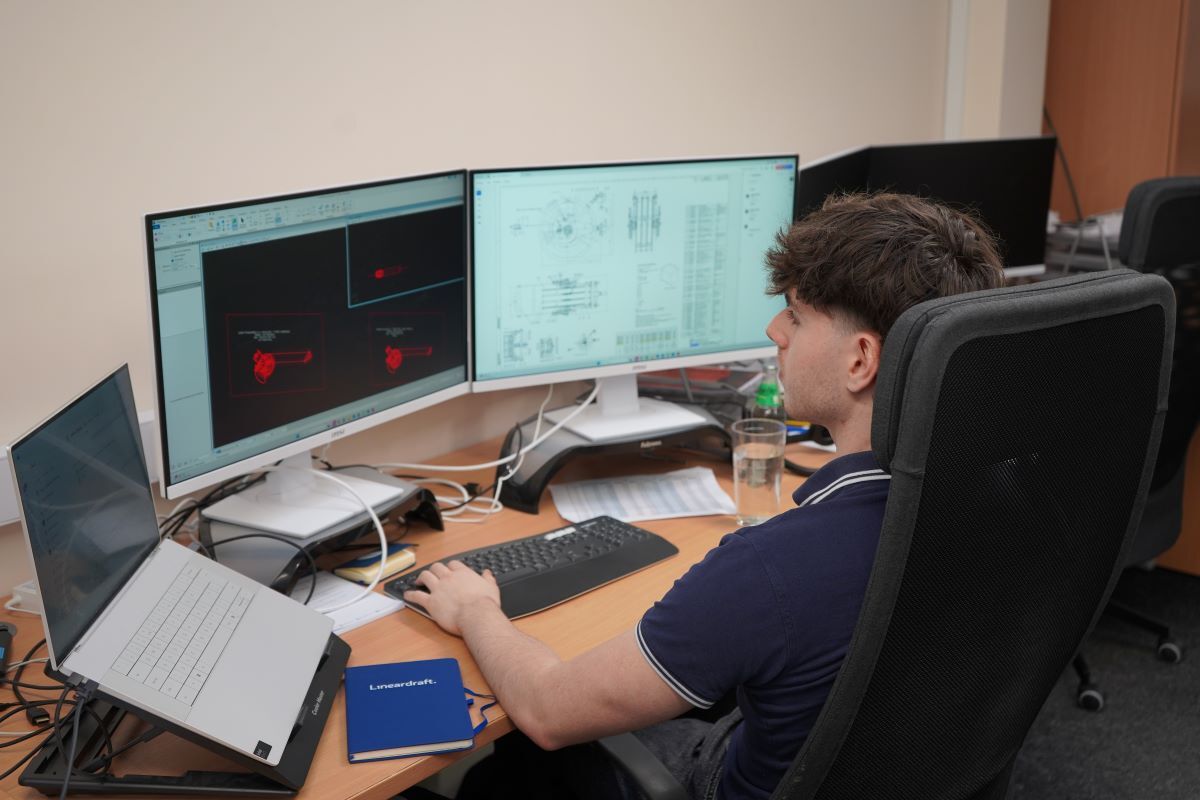
That was certainly the case with Stan, whose Design & Development for Manufacturing & Engineering T Level placement provider PBH Rail noted how some of the CAD (Computer-aided Design) knowledge he nurtured at College exceeded that of existing members of staff.
On finishing his T Level in 2024, he subsequently became PBH Rail’s first degree apprentice and is now in the second year of his Rail and Rail Systems Senior Engineer course at Sheffield Hallam University.
Describing the impact the T Level has had on his academic and career acceleration, Stan, still only 20, said: “When I started the T Level, I never really expected to get a Level 6 degree apprenticeship out of it. I was hoping to get an apprenticeship so, towards the end of my T Level, I asked Mike – one of the company’s directors - whether the business offers apprenticeships.
“He then offered me this Level 6 one, so I was very pleased and quite surprised, but I definitely worked hard on my placement and that clearly showed for Mike to offer me it. I’d applied for some others and didn’t get through to an interview because degree apprenticeships are very competitive and I don’t think I’d have got this opportunity if it wasn’t for the placement.
“The company pay for my travel, hotel and course fees, while my mates who have gone to uni are taking loans out and are all broke, so I’m definitely very grateful for that. The T Level gave me a goal right from the get-go and I really enjoy working here.
“I knew I would like to pursue a career here, which I did, and knowing my path and exactly where I’m going has also given me a lot of confidence.”
Reflecting on his reason for choosing a T Level course after leaving school, Stan pointed out that the placement opportunity proved a clincher, along with the chance to further a passion for engineering that had been ignited in childhood.
“When I was looking at my options after school, my parents especially drilled into me that it was extremely important to get a foothold in a workplace, because it can be hard to get a job after being in education,” he explained. “I was always into engineering.
“Me and my Dad used to do lots of woodwork together and make loads of things. I once made a frame for a mountain bike that allows you to wheelie on the spot.
“I went on to do Engineering at GCSE, so it was always going to be a decision between the T Level or the BTech, but the T Level was a new option and the placement won me over and swung it for me. I wanted the work experience and maybe the opportunity to get a job out of it, which I did.”
Being able to apply some of the skills he learned in our College classrooms and workshops with PBH Rail also enhanced his learning experience, while catching the eye of his placement providers.
“The College teachers were very friendly and I learned a lot, especially in terms of design,” he said. “At College, you work on what’s required from a design and what information needs to be shown and, then, you get to do that on your placement in more depth.
“We had a lot of chances to design stuff in CAD at College, then actually build it and seeing the whole project through was really helpful. I built a coin sorter and we used the new machinery that was brought in when the Construction Centre extension was built for our final exam, which definitely helped, because the equipment in the workshop is very good now.
“For the final project, we had to make a grabber that moved a little beaker, while manipulating it from behind glass. I really enjoyed applying my CAD skills during the placement.
“I’ve always enjoyed designing stuff and the whole job is mainly designing something new or creating a copy of something that already exists.”
Integrating yourself into a workplace environment, regardless of the industry, is also a key component of any T Level course, with Stan adding: “The people are really nice here and were really welcoming, easy to talk to and helpful to begin with, because there was a lot of stuff I didn’t have a clue about.”
With Stan’s degree apprenticeship providing him with tuition across a broad range of rail engineering disciplines, including civil, track and drainage, he is also excited by what the future could hold.
“I want to work my way up – 100 per cent – and definitely become a Design Engineer, then a Senior Design Engineer and, after that, see what my options are,” he declared. “There are lots of other disciplines you can try and things you can do but, at the minute, I just want to keep developing with the company.”
Stan currently works in PBH Rail’s Overhead Line Equipment (OLE) department, with his line manager and Senior OLE Design Engineer Kester Witt stressing how a T Level placement offers a genuine platform for school leavers to carve out a career in the industry, with their current degree apprentice a shining example.
“You get out of a T Level what you put into it,” Kester reasoned. “It’s not school and it’s more down to the individual to put the effort in to thrive in a workplace, but there’s also support there and all you have to do is ask to be helped along the way.
“There will always be jobs in rail and, if you’re driven enough and want to find the right education, then you’ll thrive in the industry. Stan has shown that.
“He’s been amazing. He has a great attitude and is keen and eager to learn.
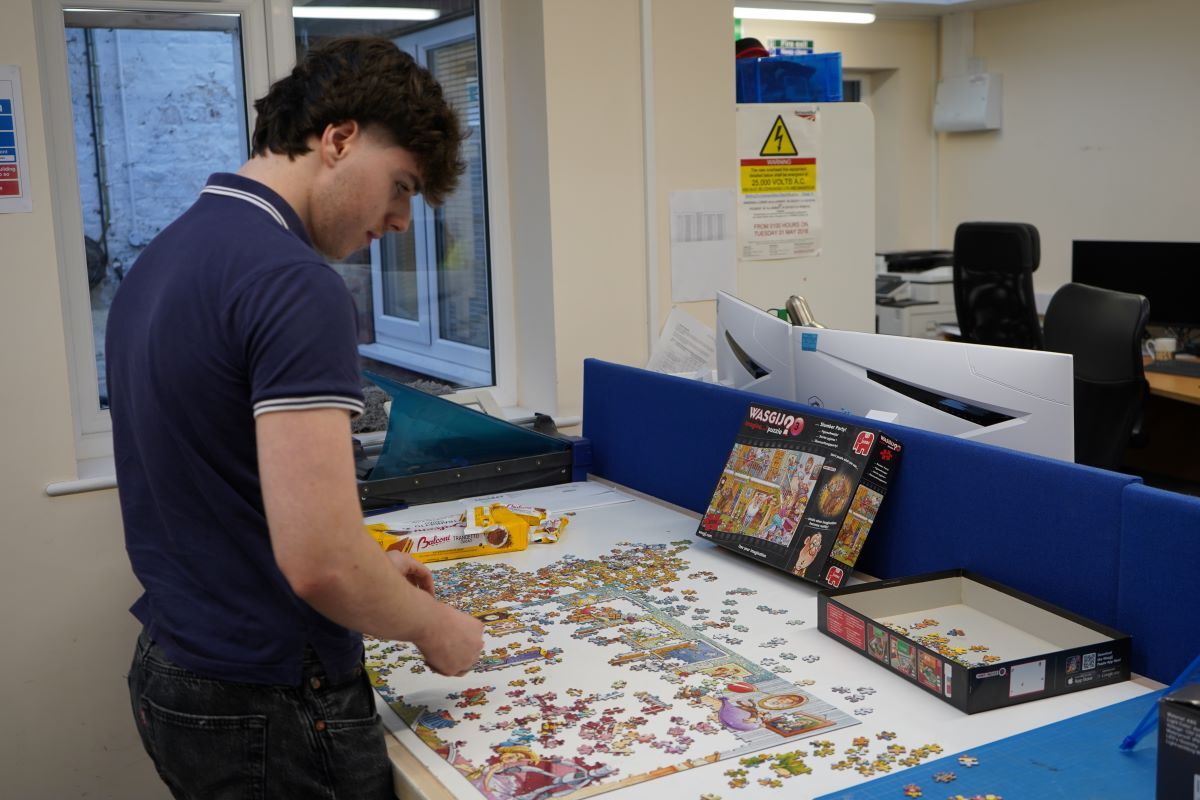
“He’s approachable and gets stuck in and has integrated into the team really well inside and outside of work, because he sometimes comes and plays football with us on a Monday as well. He also brings a good, young outlook on the CAD side of things.
“He’s switched on and been doing a lot of 3D CAD, which he touched upon at College and now, as a business, we are trying to progress in that field a bit more because the rail industry is moving forward like other professions. In terms of CAD, he has probably overtaken me in terms of what he can do with 3D cells, which is really useful for some of the projects we are working on.”
On how PBH Rail complements the curriculum for College’s Design & Development for Manufacturing & Engineering T Level, meanwhile, Kester added: “Without the T Level, there’s quite a gap between full-time education and work, so it’s a stepping stone and the T Level curriculum is good because it’s very broad and covers the bases pretty well.
“That goes a long way in the rail industry, because it’s all about the basic engineering principles – the materials, the processes, the safety and the business. They are all covered within the T Level.
“We then look to demonstrate different parts of the T Level within our job and a lot of the time you can break things down. With an electrified railway, for example, we can look at the risks involved and how we mitigate safety, so we can do a risk assessment.
“Instead of the students looking at a long, wordy document in a spreadsheet, as they might do at College, they can get live involvement on a real project and appreciate the thought that’s gone into everything and why it’s been applied.”
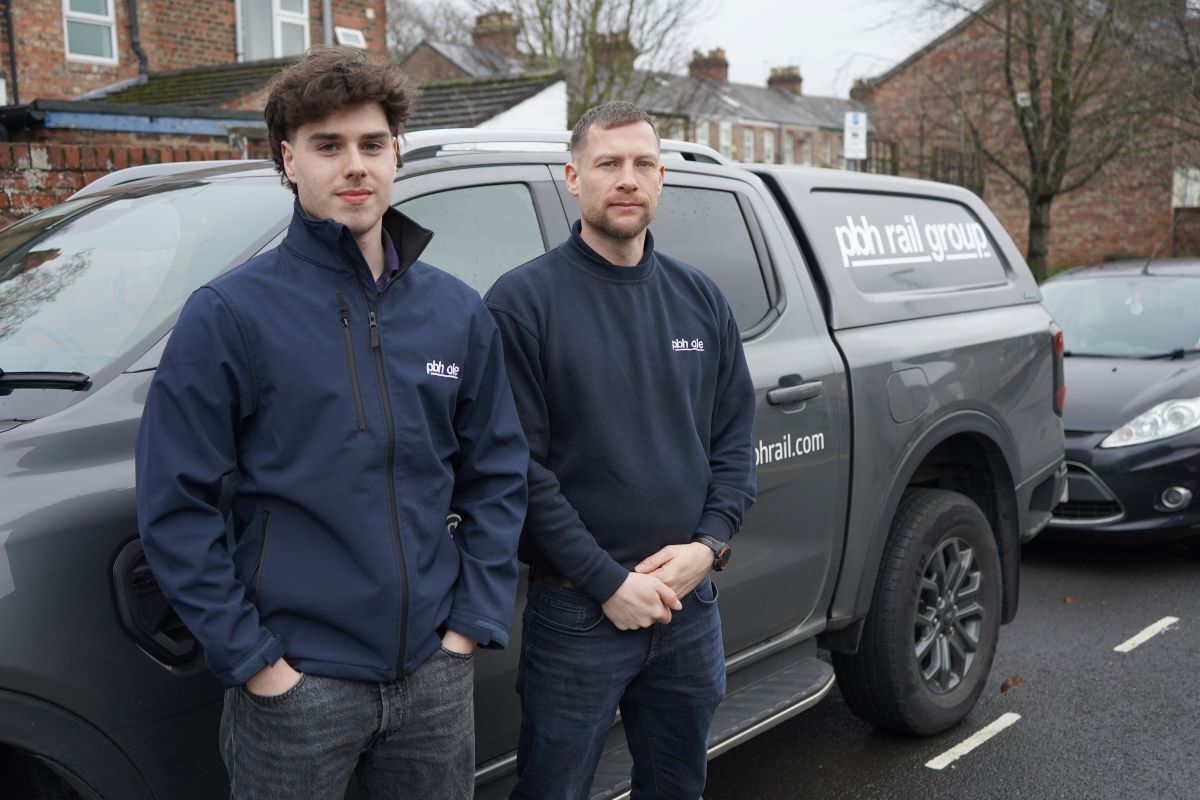
As a company, Kester went on to stress how PBH Rail have always valued the presence of university-educated engineering students in their workplace.
They also run a graduate scheme that incorporates summer placements for current degree-level students and, on the decision to further Stan’s academic growth while continuing to benefit from his contributions in the workplace, Kester said: “During his T Level, Stan was involved at our Bletchley depot, which was quite a big job – a new electrification. There were dozens of new structures and he was involved in the design of them.
“He got involved straight away in the CAD side of things, drawings and risk assessments. We also had him here on a four-week block release over the summer, which I think was beneficial because he got to become a bit more familiar with people in the office and, at that point, Stan had shown he was more than capable and had a willingness to learn, so me and Mike had a discussion and decided we had the capacity to offer him the degree apprenticeship.
“Everyone will benefit from him being at university because, just having Stan in the office talking about what he’s doing there, is a constant reminder of the basic engineering principles that we all work to. Not all of us have degrees in the office and the knowledge he’s gaining will rub off on people.
“He’s getting knowledge right from the start of all the different engineering disciplines and that’s really useful.”
Just as useful, meanwhile, is the chance for Stan to continue his education on real-life jobs with PBH Rail.
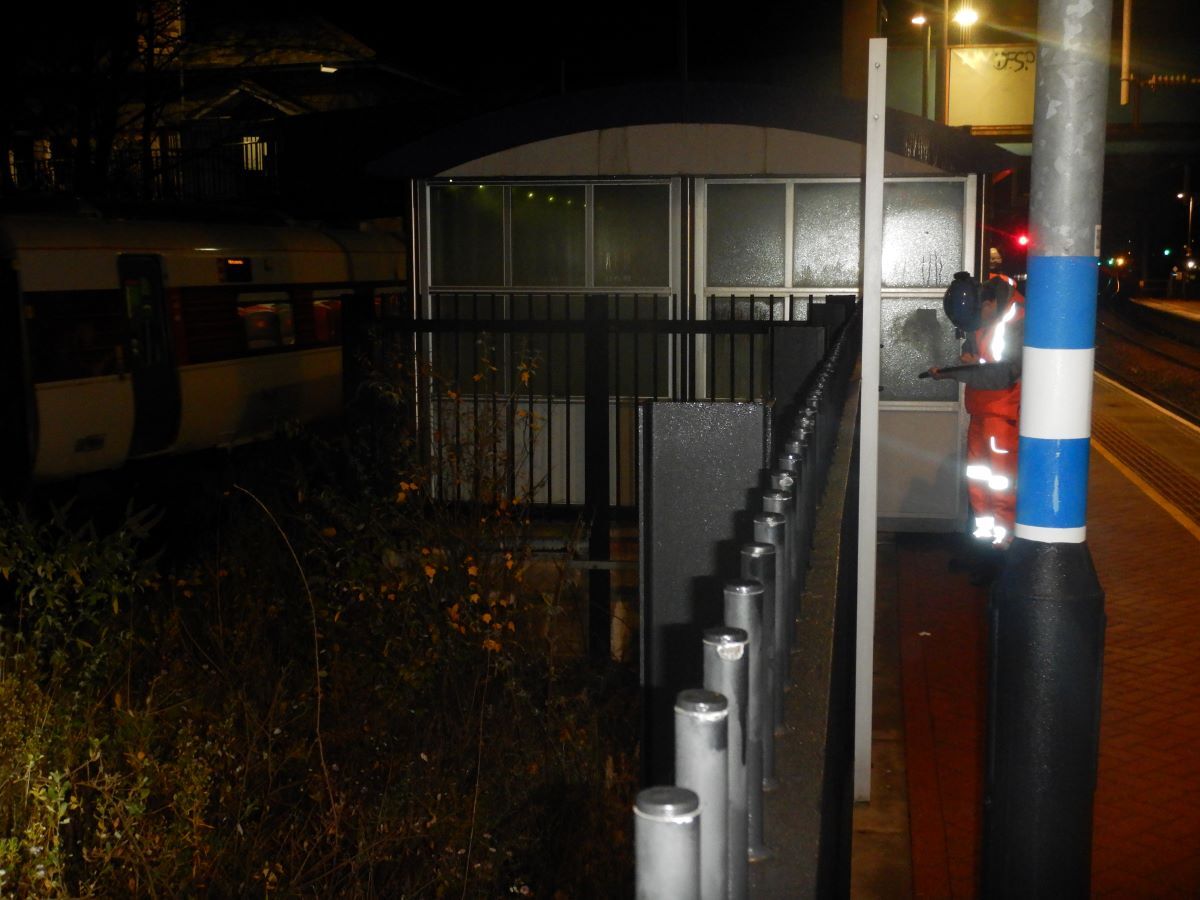
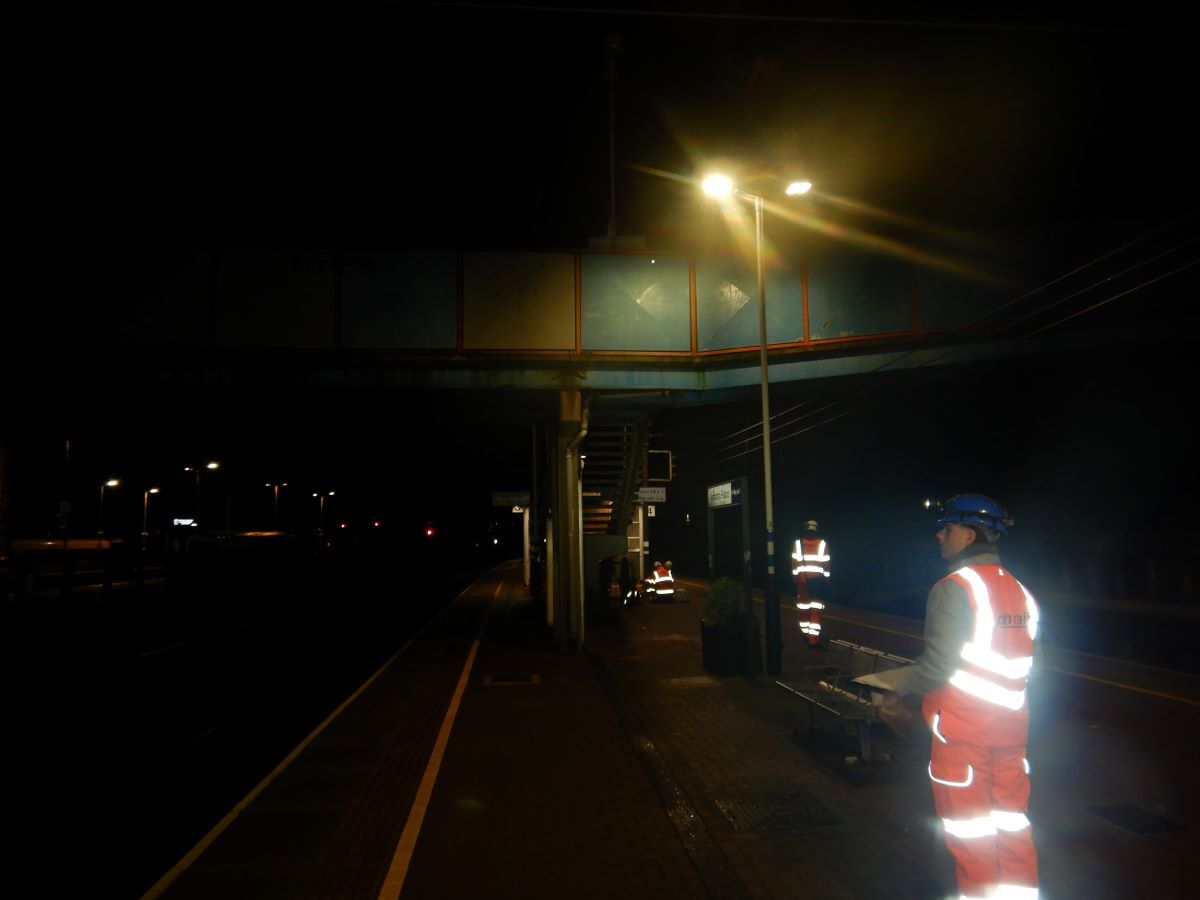
“Experience counts for a lot,” Kester pointed out. “Our work is such a niche discipline and you can’t necessarily go to university and learn about installing Overhead Line Equipment.
“You have to learn that on the job and he’s already got two or three years of that under his belt and that goes a long way. As long as he carries on as he is, there’s no limit for him really.
“The company is growing and there will be opportunities for people in the team to progress through the ranks and he’s doing his degree, so there’s capacity for him to get more experience and progress from Graduate Design Engineer to a Senior Design Engineer.”
For any fellow businesses pondering on whether to take the plunge and offer a T Level placement, Kester has the following advice: “Just give it a go. I don’t think there’s a negative impact it can have.
“It will not only develop the T Level student, it will develop other staff as well. They improve their own knowledge when they’re training the students.
“We’ve found T Levels are really good for developing our mid-level design engineers, once they’ve got a bit of knowledge behind them, as they can demonstrate, train and pass on what they’ve learned to school-aged leavers. Having them talk through different scenarios and standards helps them continue their own learning.”
For more details on our Design & Development for Manufacturing & Engineering T Level, please click here
Want to discuss any of our degree, higher-level, vocational, T Level, A Level and adult courses or apprenticeships with our expert team of tutors and check out our state-of-the-art facilities? Then, please come along to our next Open Event. Details on dates can be found here